
Red Light Therapy for Joint Pain and Arthritis: What to Know
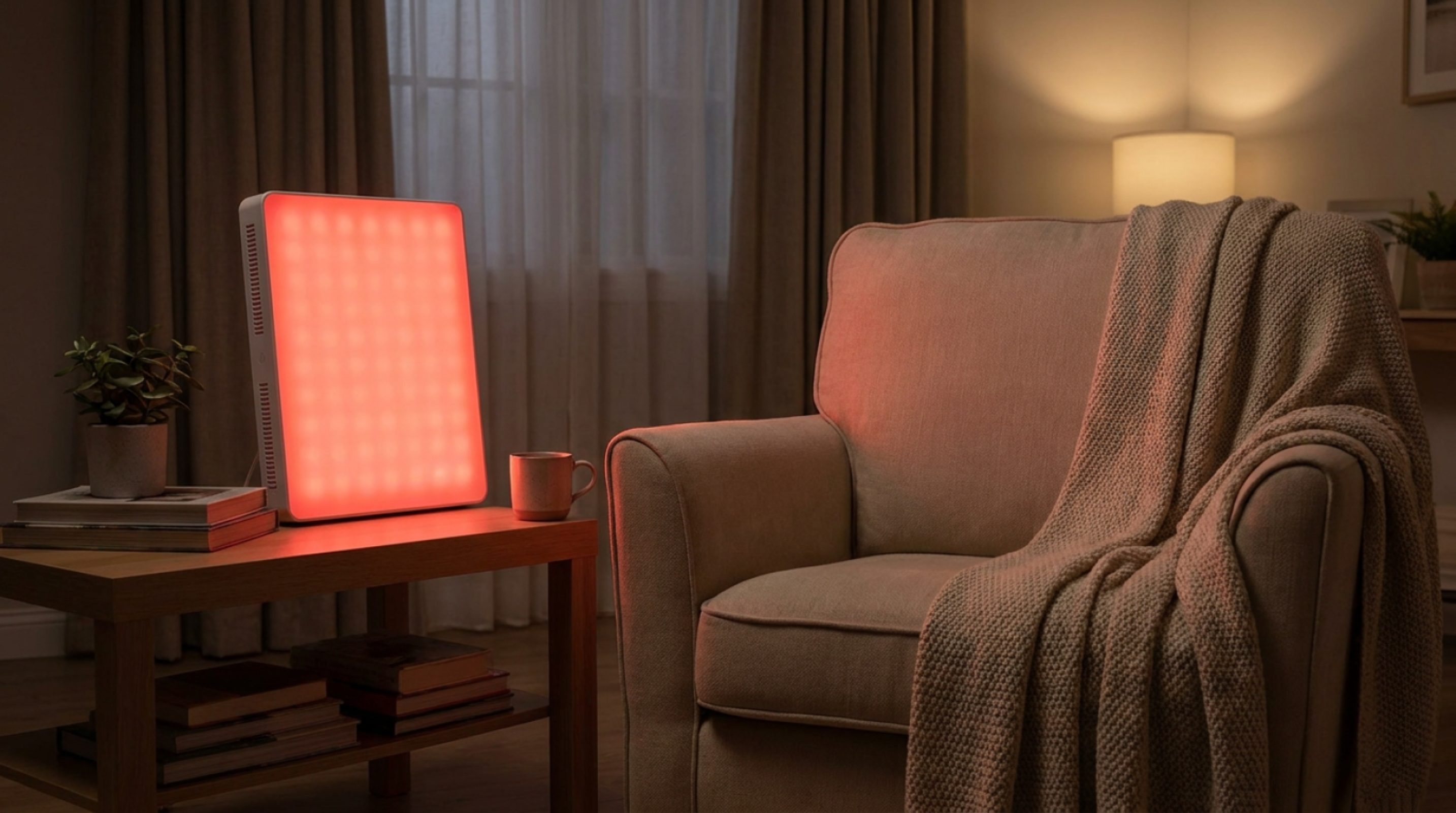
Joint pain and stiffness are among the most common reasons people try red light therapy. Here's a realistic look at what it may help with.
Red light therapy is commonly used as a supportive tool for joint comfort and stiffness — not a cure for arthritis, but a low-risk addition many people build into their routine.
How Red Light Therapy May Help Joints
Red and near-infrared light is thought to support cellular energy production and circulation in the treated area, which is why it's commonly used around joints affected by stiffness or general wear. Many users apply it to knees, hands, shoulders, and hips as part of a broader routine.
What It's Not
Red light therapy is not a diagnosed treatment for arthritis and won't reverse joint damage or replace medical care. If you have diagnosed arthritis or ongoing joint pain, it's worth using red light therapy alongside — not instead of — your doctor's guidance and any prescribed treatment.
How People Typically Use It for Joints
- Short daily or near-daily sessions directly over the affected joint
- Consistent use over several weeks, since joint stiffness tends to respond gradually
- Combined with gentle movement or stretching, not as a replacement for it
When to See a Doctor First
- Sudden, severe, or worsening joint pain
- Joint swelling, redness, or warmth (possible signs of infection or inflammation needing medical attention)
- Pain following an injury
The Bottom Line
For general joint stiffness and comfort, red light therapy is a reasonable, low-risk addition to a wellness routine — just don't use it as a substitute for a proper diagnosis if something feels seriously wrong. See our red light therapy panels.
