Red Light Therapy for Muscle Recovery and Exercise Performance
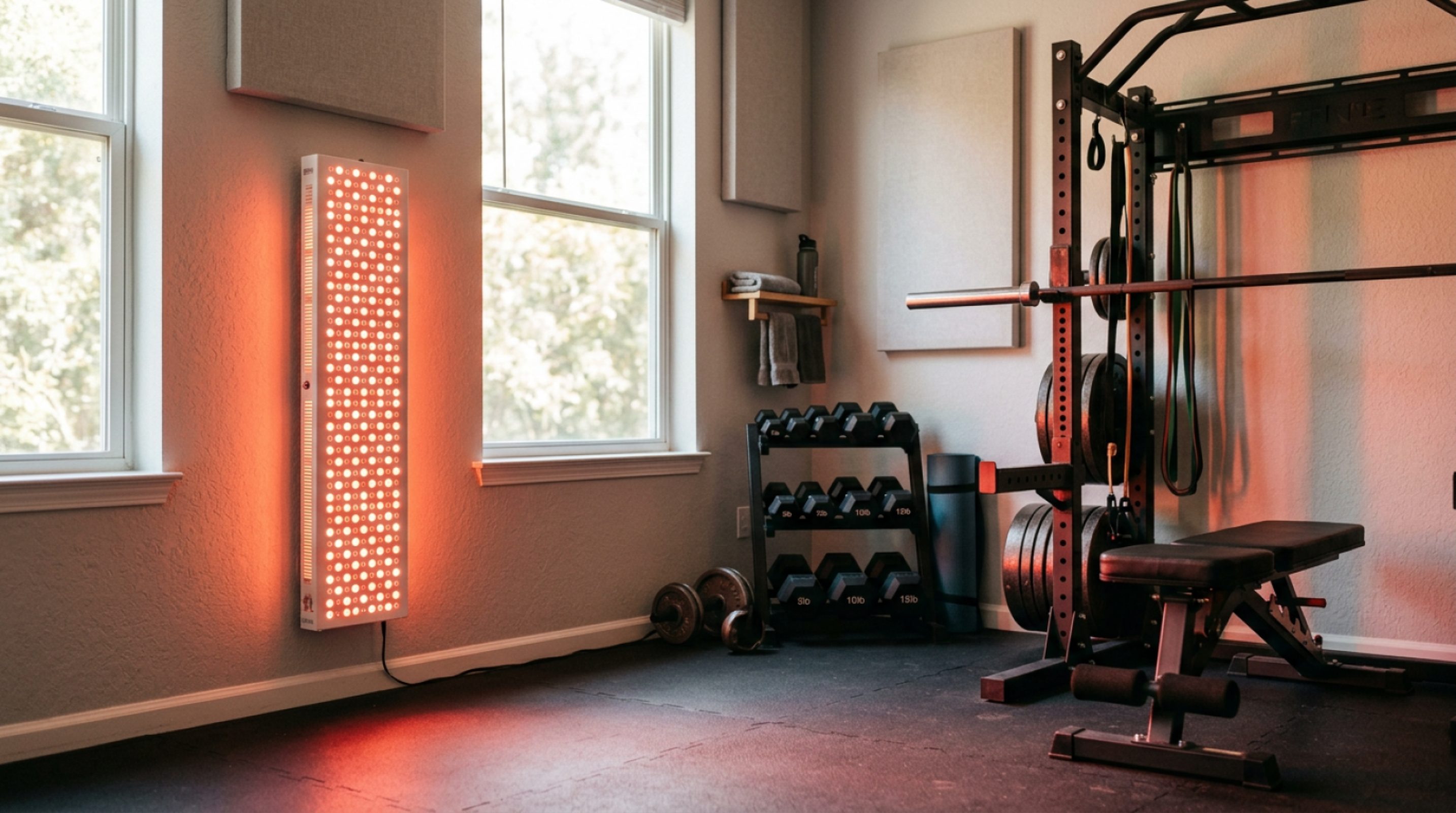
Red light therapy has become a common sight in gyms, physio clinics, and athletes' recovery routines. Here's why.
Why Athletes Use Red Light Therapy
Muscle recovery depends on the body repairing tissue and clearing waste products after exertion. Red and near-infrared light is commonly used to support this process, targeting increased blood flow and cellular energy production in the treated muscle tissue.
Common Use Cases
- Post-workout muscle soreness
- Supporting recovery between training sessions
- General maintenance for people training frequently
- A pre-workout warm-up routine for some users
Before or After a Workout?
Both are common. Some people use short sessions before training as part of a warm-up routine, while others use it afterward, focused directly on the muscles worked that day. There's no single "correct" timing — many people simply build it into whichever part of their routine is easiest to stick with consistently.
How to Build It Into Training
- Target the specific muscle group you trained, at the recommended distance
- Use it consistently around your training schedule rather than occasionally
- Pair with the basics — hydration, protein intake, and sleep still matter most for recovery
The Bottom Line
Red light therapy isn't a replacement for proper training fundamentals, but it's a reasonable, low-risk addition to a recovery routine. See the red light therapy panels we use ourselves.