How to Choose a Red Light Therapy Panel: A Buyer's Guide
Red light therapy panels vary a lot in price and specs. Here's what's actually worth paying attention to.
Wavelength
Look for a device that includes both red light (typically in the 630–660nm range) and near-infrared light (typically 810–850nm). Red wavelengths are generally associated with surface-level benefits like skin, while near-infrared penetrates deeper, which matters more for muscle and joint use. A panel with only one or the other is more limited.
Panel Size
Bigger isn't automatically better — it depends on your goal. A smaller panel is fine for targeted use (face, a single joint), while a larger full-body panel makes sense if you want to treat bigger areas like your back or legs in one session.
Irradiance (Actual Light Output)
This matters more than raw wattage on the box. Irradiance is what determines how effective a session actually is at your usual distance from the panel — a lower-wattage device with good irradiance at a practical distance can outperform a higher-wattage one that requires you to stand too close to be comfortable.
Build Quality and Safety
- Look for devices built specifically for therapeutic use, not a repurposed grow light
- Check for basic safety certifications appropriate to your market
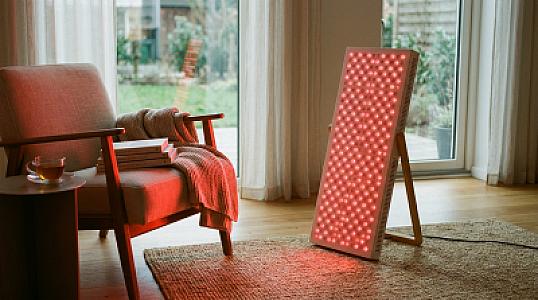
- A stand or mount is worth it if you want hands-free sessions
What's Mostly Marketing
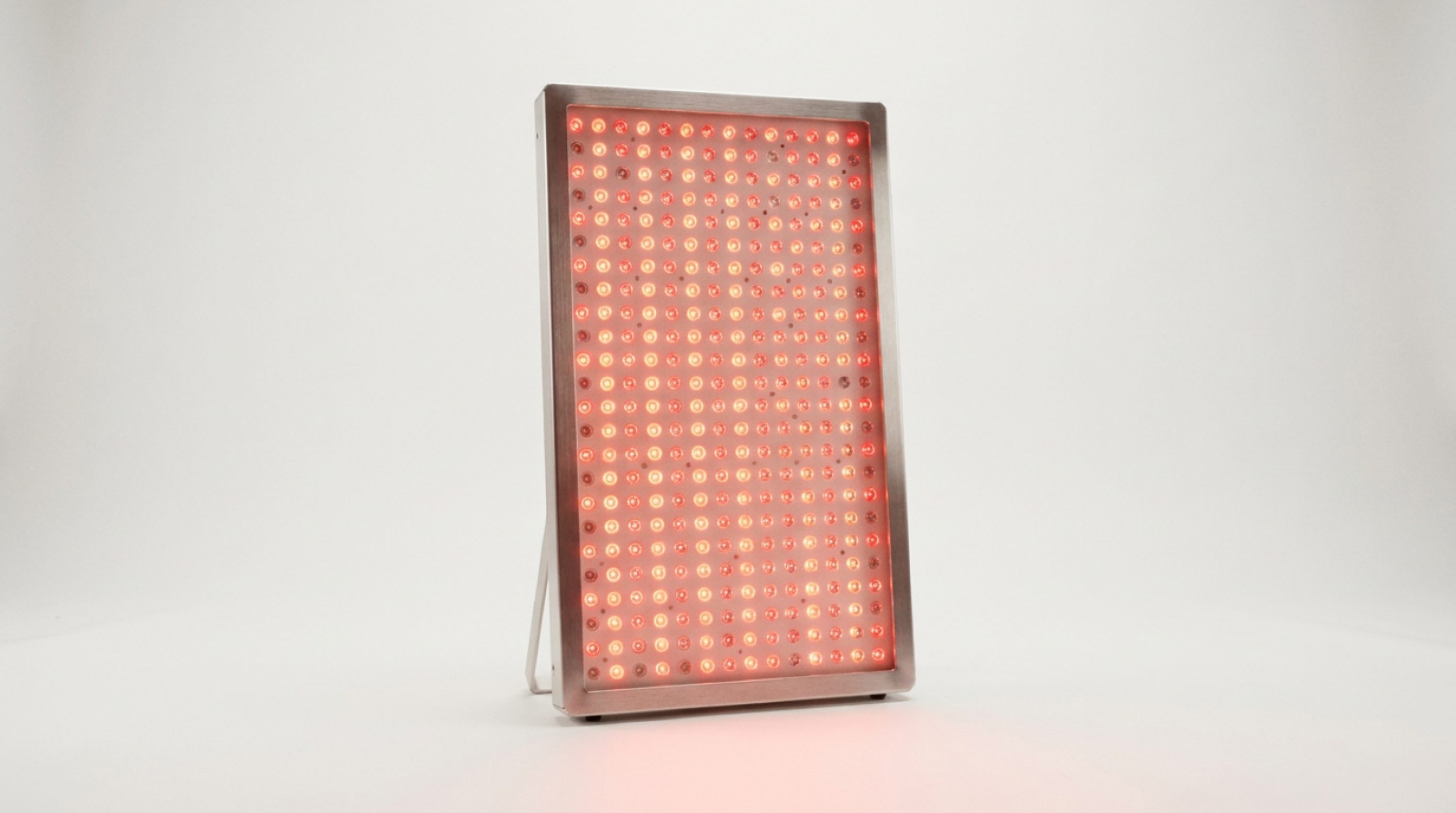
Be skeptical of vague claims without specifics (wavelength, irradiance) behind them, and of "more LEDs is always better" — LED count alone doesn't tell you much without knowing the actual light output.
The Bottom Line
Focus on wavelength range, real-world irradiance, and build quality over flashy marketing numbers. See the red light therapy panels we use ourselves.