Red Light Therapy vs. Blue Light Therapy: What's the Difference?
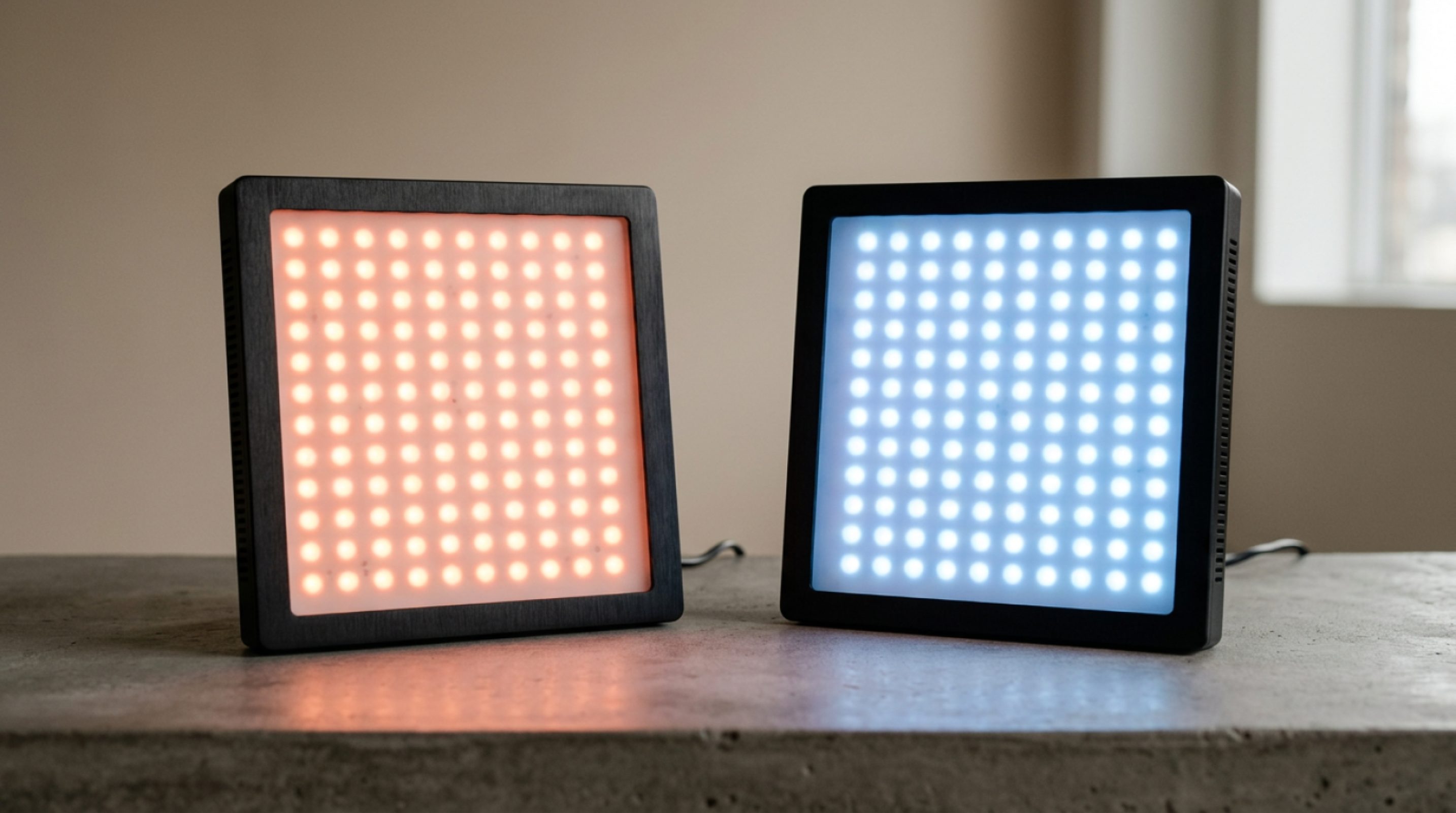
Red and blue light therapy are often mentioned together, but they work in different ways and are used for different things.
What Sets Them Apart
The key difference is wavelength. Red and near-infrared light penetrate deeper into skin tissue and are commonly associated with supporting cellular energy, circulation, and the skin's natural repair processes. Blue light has a shorter wavelength, stays closer to the skin's surface, and is more commonly associated with targeting surface-level bacteria.
Common Uses for Red Light
- Overall skin tone and texture
- Muscle recovery and general soreness
- Joint comfort and stiffness
- Relaxation as part of an evening routine
Common Uses for Blue Light
- Targeting surface bacteria associated with occasional breakouts
- Used primarily on the face, in short sessions
Can You Use Both?
Some devices combine both wavelengths, and it's common for people to use blue light for occasional breakout support and red light for broader skin and recovery goals. They're not competing therapies — they're suited to different jobs.
The Bottom Line
If your goal is skin tone, recovery, relaxation, or general wellness, red light is the more broadly useful choice. See our red light therapy panels to learn more.