Infrared Sauna vs. Traditional Sauna: What's the Difference?
Not all saunas work the same way. Here's the real difference between infrared and traditional saunas.
Traditional Saunas
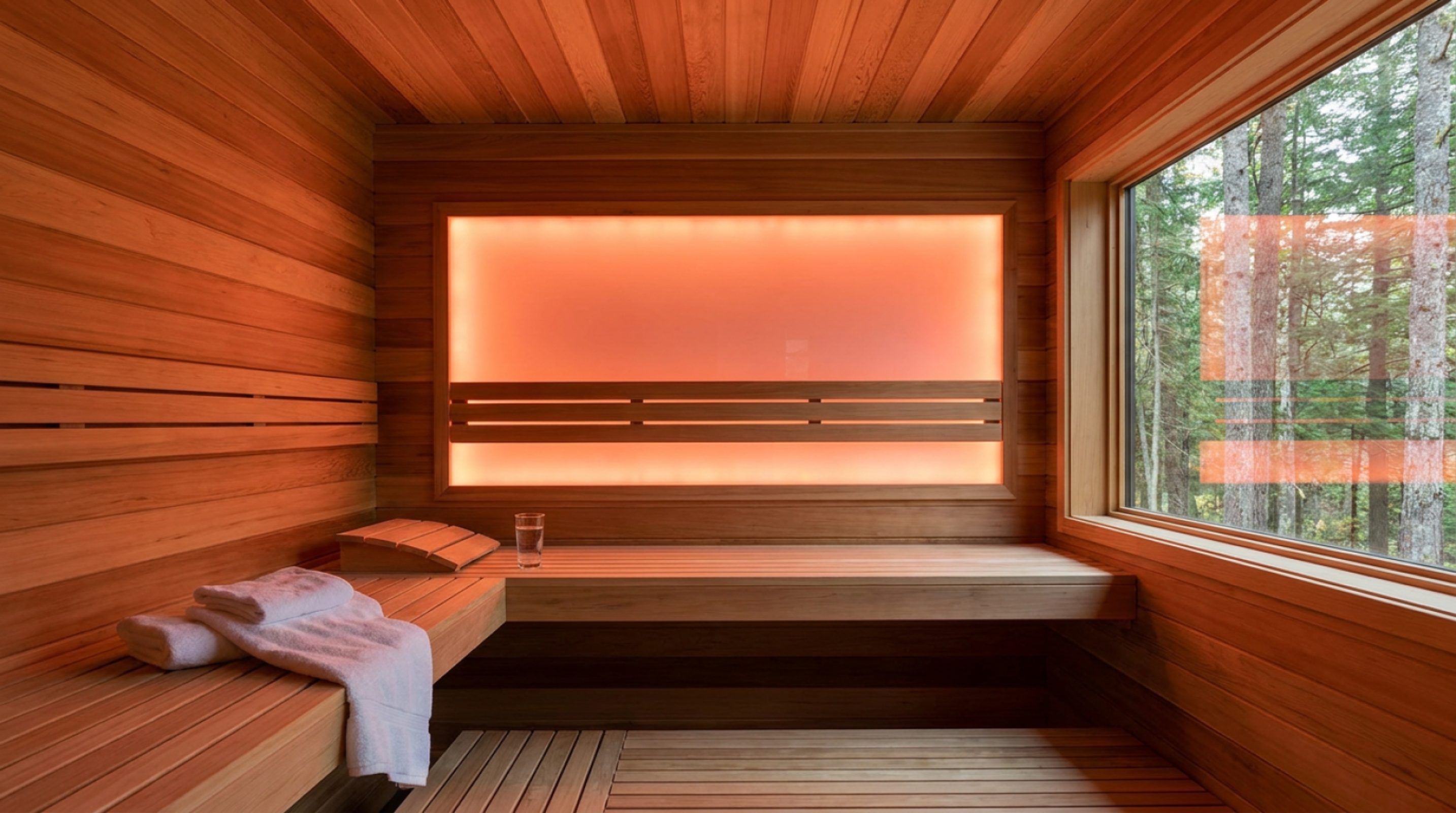
Traditional saunas heat the air around you, typically using heated rocks or a stove, often with steam added. Air temperatures are usually very high, and the heat warms your body indirectly, from the outside in.
Infrared Saunas
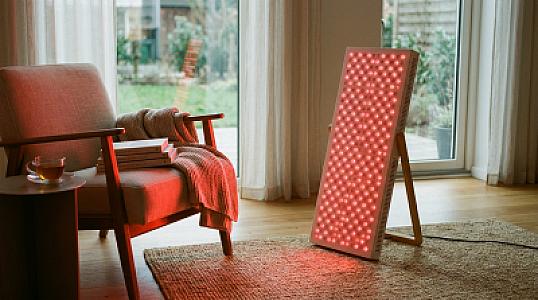
Infrared saunas use infrared panels to warm your body directly, rather than heating the surrounding air first. This means infrared saunas typically run at lower air temperatures while still producing a deep sense of heat in the body — often more comfortable for people who find traditional sauna heat overwhelming.
Key Differences at a Glance
- Air temperature: traditional saunas run hotter; infrared saunas run cooler while still heating the body
- How you're heated: traditional heats the air first; infrared heats you directly
- Setup: infrared saunas are generally easier to fit into a home space, with lower power/ventilation requirements
- Session comfort: some people find infrared more tolerable for longer sessions due to the lower air temperature
Which One Should You Choose?
If you enjoy intense heat and steam, a traditional sauna experience may suit you better. If you want something more comfortable for longer sessions, easier to fit at home, and still built around consistent heat therapy, an infrared sauna is usually the more practical choice for home use.
The Bottom Line
Both styles are built around the same core idea — heat therapy for relaxation and recovery — just delivered differently. Explore our sauna options to see what fits your space and routine.